
Book review based on my emotional damage and a sprinkle of literary trauma
By someone who read too much Tolstoy and not enough TikTok romances – until now.
The Book That Found Me Through TikTok (and Emotional Algorithms)
Let me confess something: I didn’t pick up If He Had Been With Me because I was looking for a love story. I picked it up because TikTok wouldn’t leave me alone. My “For You Page” clearly thought I needed to heal some unresolved teenage heartbreak I didn’t know I had.
The book cover helped too — and let’s be honest, we do judge books by their covers when they’re this good. The muted colors, the moody teenagers, the quiet intensity practically oozing from the page… It wasn’t your typical YA rainbow explosion. It felt like a Tumblr post from 2014 that grew up and got published.
And after years of wading through dense, mandatory literature — thank you, academic life — I decided it was time to read something that didn’t require a literary analysis chart. Just vibes. Emotional ones.
What’s It About, Really?
Let’s start with the basics, without getting too spoiler-y. If He Had Been With Me by Laura Nowlin is a Young Adult novel, but not the kind with spontaneous road trips and slow-burn kisses under string lights. It’s about Autumn and Finny — childhood best friends who drift apart in high school, even though their lives stay parallel. They live next door. Their moms are best friends. Their history is tangled, nostalgic, and unfinished.
And that’s the key word: unfinished.
It’s a story about what doesn’t happen. The things we don’t say. The chances we don’t take. The words we think but never voice. And what that silence costs us.
It’s also a story where the reader knows from the beginning — from the title, no less — that this isn’t going to end with a white-picket-fence happily ever after. And yet, you keep hoping. That’s what makes it brutal. And brilliant.

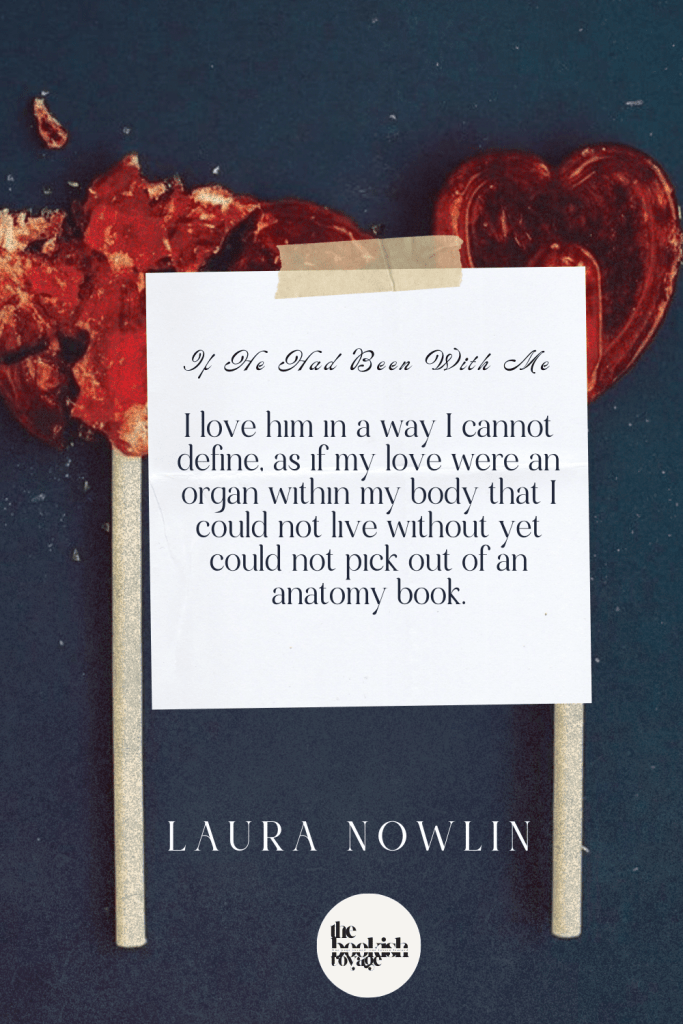
The Psychology of Missed Chances
Now, let’s get a little nerdy (but like, emotionally nerdy — the kind of nerdy that has a therapist on speed dial and quotes Brené Brown over brunch).
As someone who’s navigated life by constantly trying to be the “easy one,” I know the weight of holding in your truth all too well. Psychologists refer to this behavior as self-silencing — and it’s not just a buzzword. It’s a deeply ingrained coping mechanism, especially for women, who are often taught from a young age that their role is to smooth things over, keep the peace, and never make anyone uncomfortable.
Be polite.
Be agreeable.
Be nice.
But here’s the plot twist they don’t tell you: self-silencing is emotionally expensive. Over time, it chips away at your ability to advocate for yourself, to ask for what you need, to even recognize what you want. When you spend your energy keeping others comfortable, your own discomfort becomes a quiet, permanent background hum — like emotional tinnitus.
And that’s exactly the frequency Autumn lives on.
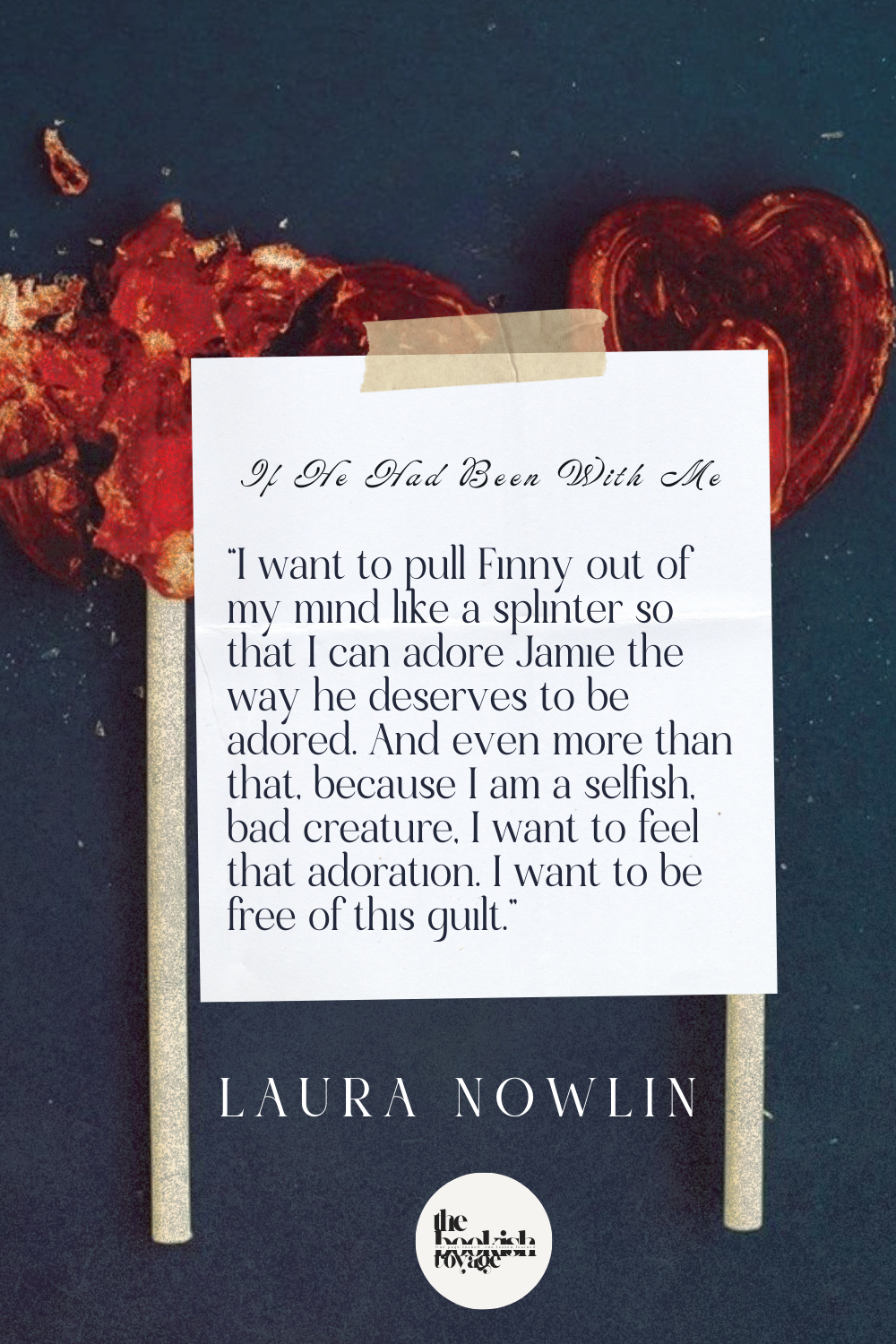
She’s not loud with her love. She doesn’t perform her heartbreak. She doesn’t disrupt. She doesn’t confront. Instead, she lingers in the periphery — always close, never quite crossing the line. And not because she’s passive or uninterested, but because she’s too emotionally aware. She knows that if she steps in, things change. She’s terrified of being the one who tips the balance.
So she stays quiet.
She writes feelings in her mind like unsent letters.
She lets life move forward without her in the driver’s seat.
And honestly? That kind of emotional restraint is exhausting.
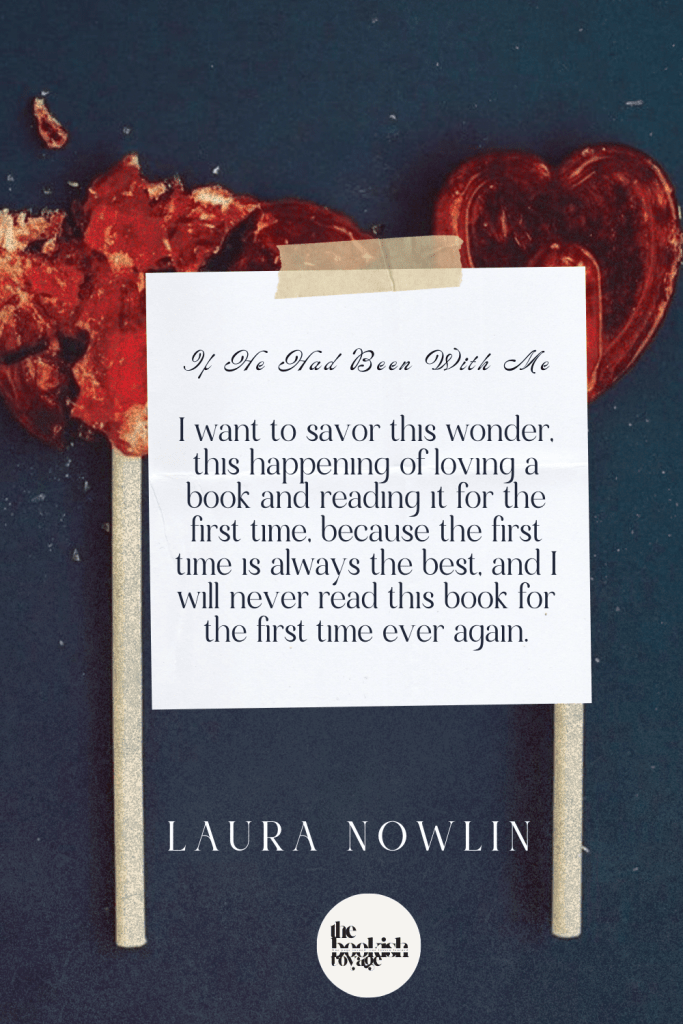


When You Feel Too Much but Say Too Little
Reading Autumn was like holding up a mirror to the younger version of myself — the version that edited her feelings down to fit someone else’s comfort zone. The girl who made herself smaller, quieter, easier to digest. The girl who thought that being kind meant being invisible.
It’s easy to say “just speak up!” when you’re outside the situation. But inside? Speaking up feels like detonating a bomb. You imagine every possible fallout. You rehearse the conversation a hundred times. You tell yourself it’s not the right moment. That if it mattered, they’d see it on their own.
But they don’t.
And so you stay silent. You keep showing up. You keep hoping they’ll just know.
Spoiler: they rarely do.
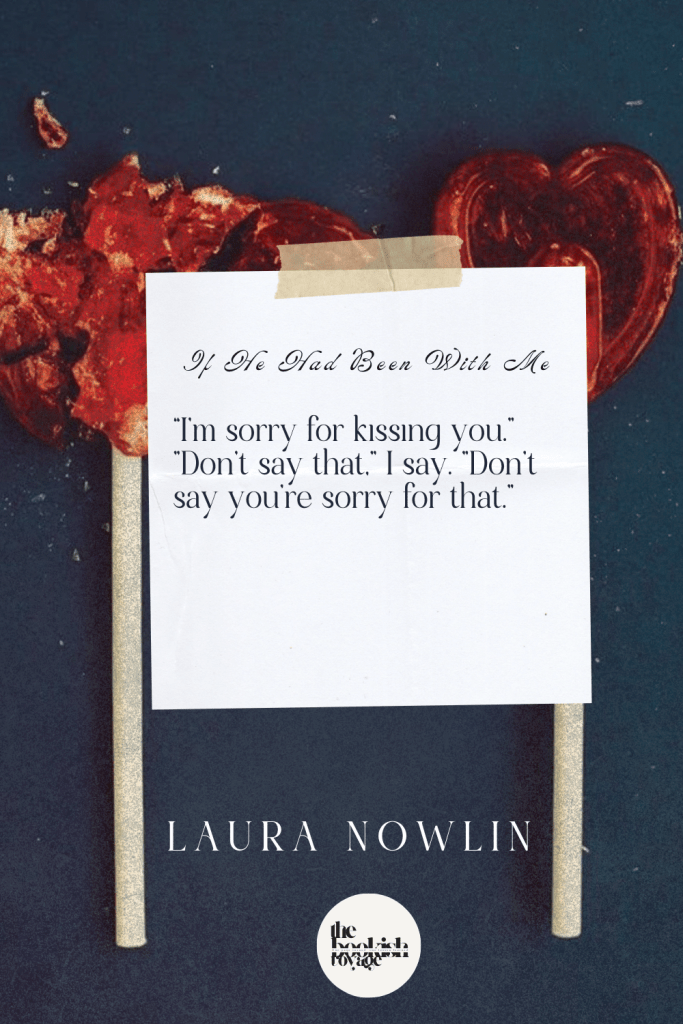
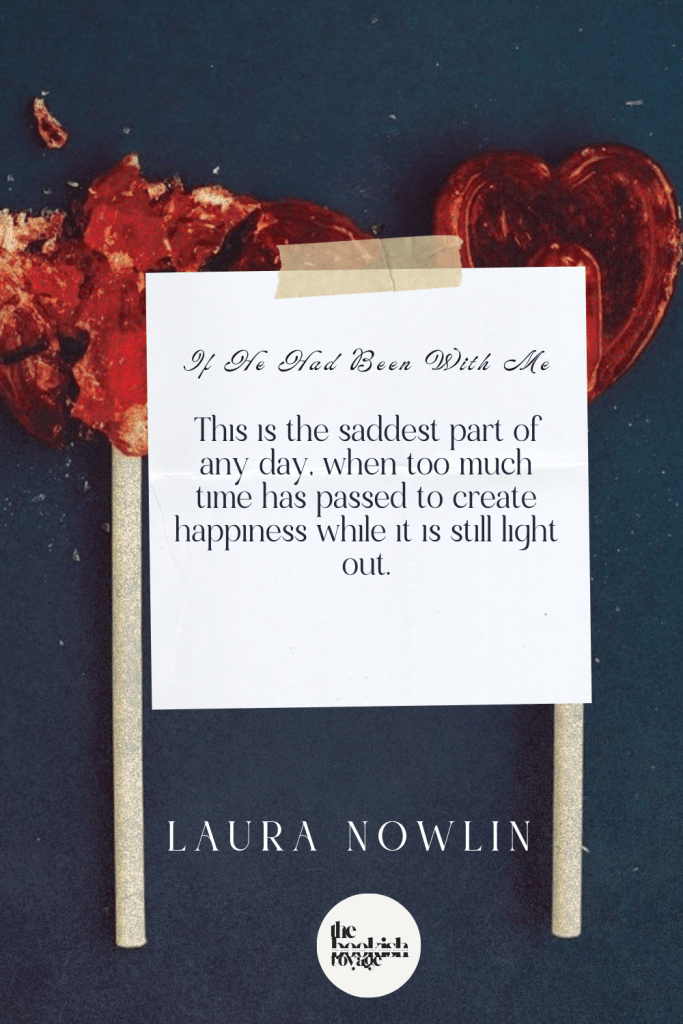
A Personal Detour: When Fiction Hits a Little Too Real
Let me share something: I once found myself in a relationship that felt like a slow suffocation. On the surface, everything was “fine.” No screaming matches, no dramatic betrayals — just an endless series of emotional dead ends. But somewhere in the middle of that disconnection, someone else appeared. Not in the fairy-tale “knight in shining armor” way — but in the quiet, “I see you even when you’re hiding” way.
He noticed things. My tone, my silence, my smile when I talked about poetry. It was like someone had finally tuned into the frequency I’d been broadcasting all along — the one my partner refused to hear.
But did I leave?
No.
I stayed. Out of obligation. Out of fear. Out of some twisted sense of loyalty to a version of myself I had already outgrown.
And when the moment came — when that other person and I finally crossed that blurry line — the emotional wreckage was inevitable. Not because it wasn’t real. But because it was already too late. The damage had already happened, silently, long before either of us acted on anything. The heartbreak wasn’t in the event — it was in the build-up.
Autumn’s Ache Is Universal
That’s why Autumn’s story doesn’t just resonate — it haunts. It sits under your skin, especially if you’ve ever lived in that liminal space between almost and never. The love that could’ve been if the timing had been different. If you’d been braver. If life hadn’t gotten in the way.
There’s a common misconception that heartbreak only comes from things ending. But as many psychologists and grief experts will tell you, some of the deepest grief comes from what never got the chance to begin.
They call it disenfranchised grief — the kind of mourning that doesn’t come with sympathy cards or closure. Because how do you explain to someone that you’re grieving an unlived life? That you’re carrying a weight made of unsaid words?
And yet, here we are. All of us, at some point, aching over a ghost of a future that never arrived.

The Subtle Tragedy of Emotional Timing
There’s this quote (not from the book, but from life):
“Timing is everything, but it’s also nothing if the courage doesn’t show up.”
If He Had Been With Me doesn’t just explore bad timing — it examines the emotional conditions that make timing bad. Fear. Silence. Self-doubt. The belief that your feelings are inconvenient. That your needs will ruin someone else’s comfort.
Autumn and Finny don’t miss each other because they don’t care. They miss each other because they’re both trapped in the belief that saying something would cost too much. That the risk of honesty is greater than the reward.
But what if that’s the biggest lie we’re taught? That staying silent keeps things safe?
Because here’s the truth: silence is not safety — it’s slow erosion.
It doesn’t protect you from pain. It just delays the explosion. And when it finally comes, the damage is harder to trace — because it started so quietly, so long ago.
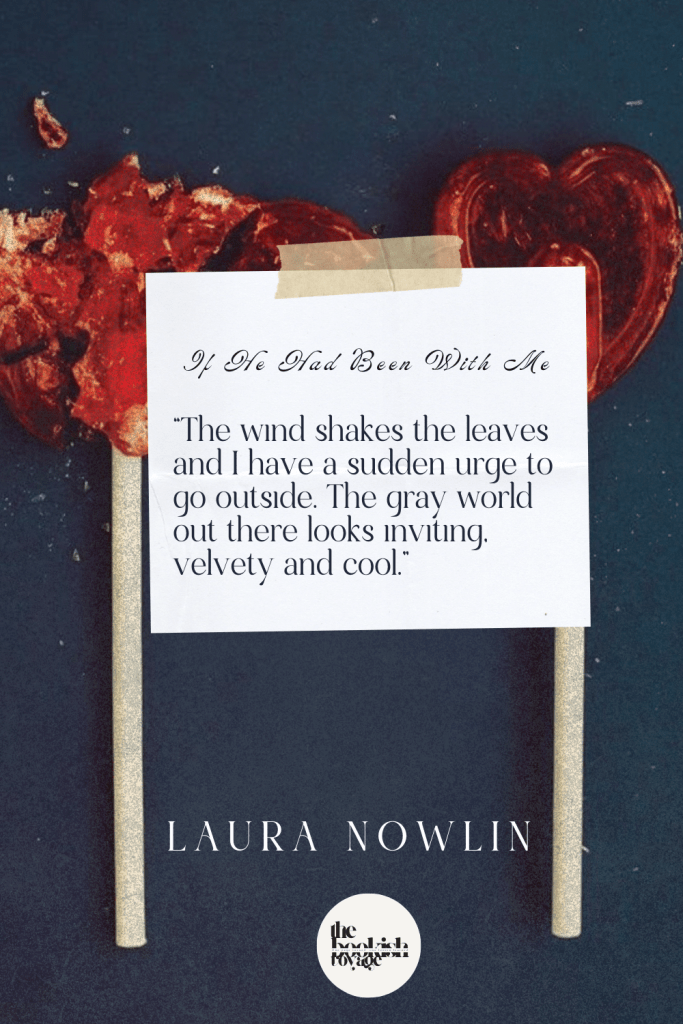

The Bottom Line: It’s Not Just a Love Story — It’s a Trauma Blueprint
That’s what makes If He Had Been With Me so psychologically powerful. It’s not about one relationship. It’s about the systems we internalize. The emotional patterns we repeat. The cost of protecting others at the expense of ourselves.
And it’s so common, it’s almost invisible.
Autumn isn’t some rare archetype. She’s the girl who grew up believing that being loved means being easy. That love is passive, something that happens to you — not something you get to choose, chase, or speak out loud.
But here’s what the book reminds us: Not choosing is still a choice.
And sometimes, that’s the choice that leaves the biggest scar.
Why I Loved a Book That Broke Me
Let’s talk tone for a second.
Nowlin’s writing is poetic without being pretentious. The narrative flows like a memory — soft, non-linear, and emotionally layered. It mirrors how we process our own past: not in bullet points, but in fragments. The book isn’t just telling a story. It’s capturing the feeling of growing up, of noticing your life happening in real time, and not being able to stop it.
You don’t need action scenes when the emotional stakes are this high.
There’s a subtle brilliance in how the tension builds. You keep expecting a turning point. A confession. A grand gesture. And then, nothing. Because that’s how life works sometimes. People drift. Moments slip. The timing is wrong. And all that’s left is the space where something could’ve existed.
Honestly? It’s kind of refreshing. Not every story needs to be fixed with a kiss.
Emotional Realism: A Case Study
Let’s throw in a psychological term here: ambiguous loss.
Coined by researcher Pauline Boss, ambiguous loss refers to losses that lack closure. A person might still be physically present but emotionally distant (like a fading friendship), or physically absent but emotionally present (like a lost love you can’t forget). This book is a textbook example of ambiguous loss — not just of people, but of potential.
Autumn mourns the version of her life that might have been. And that grief? It’s real. Studies show that our brains react similarly to imagined emotional pain as they do to physical injury. So yes, when Autumn wonders what might’ve happened if Finny had been with her — she’s not being dramatic. She’s being human.
But Let’s Not Get Too Depressing
Okay, okay. Before you start thinking this book is just an extended crying session (which, let’s be fair, it kind of is), let me assure you: there’s beauty in the sadness.
The story isn’t just tragic — it’s tender. Autumn is funny in that lowkey, existential way. She’s not a caricature. She’s you at 17. Awkward. Smart. A little too inside her head. Her voice is what keeps the story grounded. You don’t pity her — you root for her. Even when you know the outcome.
And there’s something oddly empowering about a book that doesn’t sugarcoat things. We live in a world obsessed with happy endings. But what happens when the girl doesn’t get the guy? When the timing isn’t right? When fate doesn’t bend to our desires?
Apparently, we get a really good novel.

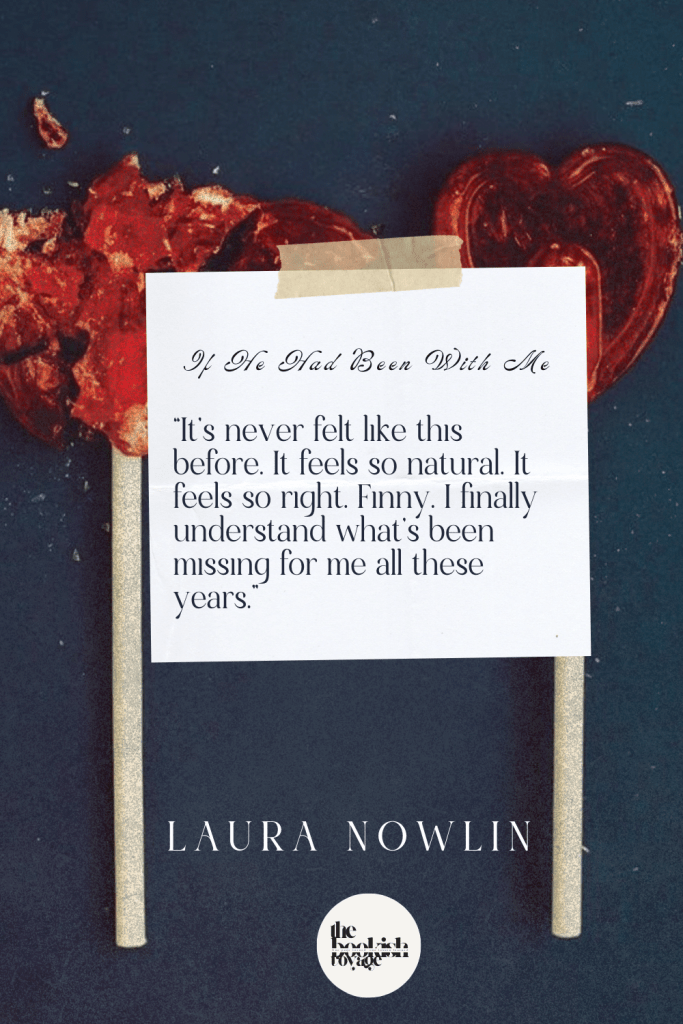
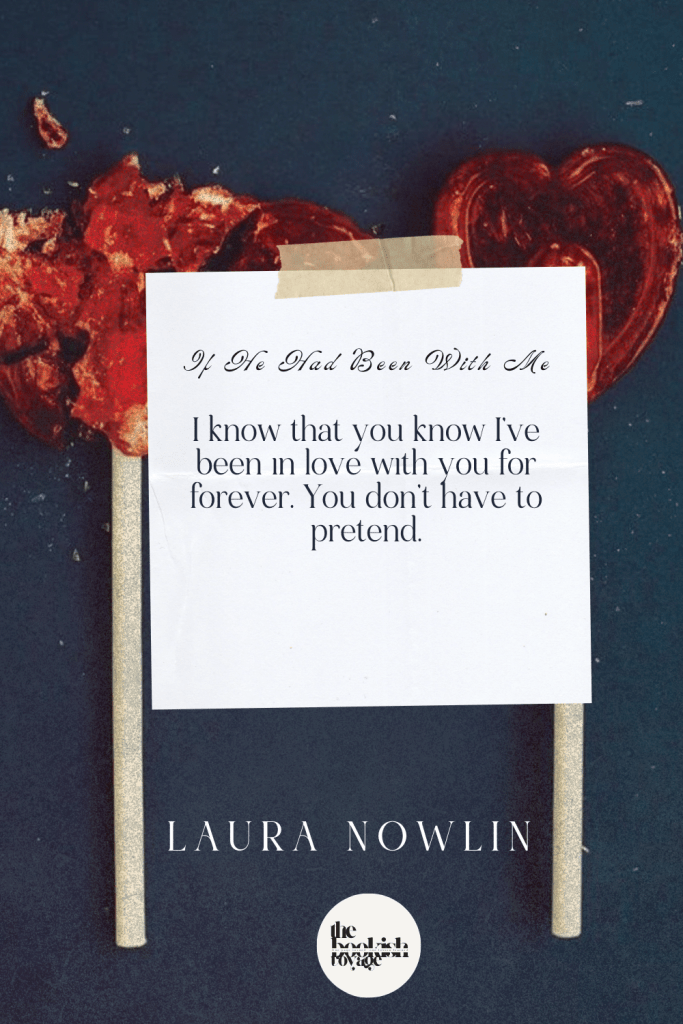
Favorite Quote (and Emotional Breakdown)
Here’s the quote that stayed with me the longest:
“There are no goodbyes. Just the things we didn’t say.”
Let’s just sit with that for a second.
How many people are walking around carrying unfinished sentences? Half-written messages. Apologies never delivered. Feelings swallowed out of fear, pride, or poor timing. That quote summarizes not just the book — but life.
It reminded me of every time I bit my tongue. Every time I let someone else’s comfort outweigh my own clarity. And it made me want to do better. To be braver. Because, honestly, silence never saved me. It just delayed the hurt.
Final Grade: 7/10
Look, I’m not going to pretend this book is perfect. There are moments when the pacing drags. Some plotlines could’ve been deeper. And yes, if you’re someone who needs resolution, this might leave you screaming into your pillow. (Been there.)
But what it does well, it does exceptionally well.
It captures that liminal space between adolescence and adulthood. The ache of nostalgia. The quiet tragedies that shape us more than the loud ones.
So for that? A solid 7/10.
It’s not the book that will fix your heart. But it might be the one that helps you understand why it broke in the first place.
Who Should Read Thiis
Every girl who’s tired of perfect endings.
Every overthinker who rewrites conversations in their head before falling asleep.
Every person who’s loved someone in silence — and never told them.
And anyone who’s ready to admit that sometimes, the things we almost had can hurt more than the things we lost.


Final Though
If He Had Been With Me isn’t just a book — it’s an emotional mirror, one that doesn’t flatter or filter. It doesn’t ask for dramatic revelations or perfect closure. Instead, it quietly holds up a reflection of who you were — or maybe still are — when you thought love meant staying quiet. When you believed that to be lovable, you had to be small. That speaking up would ruin everything, when in reality, not speaking was already doing the damage.
It’s for the younger version of you — the one who wrote poetry in the margins of her notebook instead of telling someone how she felt.
The one who waited for someone to read between the lines.
The one who carried so much love, and fear, and hope — all at once — and didn’t know where to put it.
And maybe, after reading it, you’ll want to go back and say to her:
“I see you. I understand you now. You were doing your best with the tools you had. And that was enough.”
This book won’t offer you a grand revelation. There’s no magical solution waiting in the final chapter. What it gives you instead is a quiet kind of truth: that the most devastating heartbreaks aren’t always loud or sudden — some are slow and silent and dressed up like ordinary days.
It reminds you that unresolved stories don’t mean you failed — it means you felt. And feeling deeply is never the wrong move, even when the world teaches us to hide that part of ourselves.
So read this book. Cry a little — or a lot, if you’re overdue.
Reflect on the people who came into your life and left an invisible mark.
Think about the moments you stayed silent and what they taught you.
And maybe, just maybe, learn to speak — even if your voice shakes.
Even if it’s imperfect. Even if it’s terrifying.
Because the biggest takeaway of all might just be this:
It’s better to say it and risk everything than to stay quiet and wonder forever.
Don’t leave your next words unsaid.
Someone might need to hear them — even if that someone is you.


 The Bookish Voyage